AACC 7th Annual Theological Symposium: Day Three Explores Biblical, Political and Religious Dimensions of Persecution
The third day of the 7th Annual Theological Symposium of the All Africa Conference of Churches (AACC), held on 7th October 2026, deepened reflections on Freedom of Religion or Belief (FoRB) in Africa, with participants examining the biblical, political and religious factors that shape experiences of persecution across the continent.
The day's discussions brought together biblical and hermeneutical reflection with contextual perspectives on the relationship between religious identity, political institutions, state authority and persecution. Participants were challenged to consider how Scripture is interpreted and applied in contexts where religious differences can become sources of exclusion, violence and discrimination.
Rev. Jantiku Ijasini Jamare, presenting on The Parresia Paradigm: A Lukan Critique of Apotropaic Rituals in the Context of Persecution in Northern Nigeria, examined questions of covenantal identity, apostasy, discipleship and belonging within the believing community. Drawing from John 14 and the Book of Acts, he emphasized the importance of understanding questions of persecution and freedom of belief within their broader biblical, canonical and ecclesial contexts, including the Church's responsibility for discipline, restoration and belonging.
Rev. Dr. Agyei Felix Cornelius explored ecclesiastical and civil authority from a Pauline perspective, stressing that religious authority must be exercised with love and moral responsibility. He affirmed freedom of conscience as a fundamental human right while emphasizing the distinction between personal conviction, external conduct and public responsibility. He also called for contextual and historical-critical approaches to Scripture, cautioning against selective interpretations of biblical texts that have historically been used to justify coercion and oppression.
The political and historical dimensions of persecution were further explored through contextual reflections from Rwanda and Angola. Mrs. Julienne Mutuyimana drew from Rwanda's post-genocide experience to highlight the effects of unresolved historical wounds, mistrust and social division, while emphasizing the Church's role in reconciliation, healing, peacebuilding and social cohesion. She also noted the need for state regulation of religious affairs to uphold accountability and public safety without undermining fundamental freedoms.
In examining the Church-State relationship in Angola, Hele Olinda Alfredo traced the country's history of religious governance from the colonial period through independence and the Marxist era. While noting constitutional guarantees of freedom of conscience, religion and worship, she highlighted continuing administrative and legal challenges faced by some minority faith communities. Her presentation called for responsible biblical interpretation and sustained dialogue between state authorities and ecumenical bodies.
Mr. Niyonkuru Chadrack further examined how religious identity can become entangled with violence and exclusion. He argued that religious differences do not in themselves constitute the natural cause of conflict, but that exclusion, mistrust, inequality and weak institutional protection can create conditions in which religious identity is exploited to deepen divisions. He called for community-based approaches to protection, access to justice and the rebuilding of trust between citizens and public institutions.
Across the day's presentations, participants emphasized that addressing religious persecution requires more than legal protections alone. It calls for responsible theological interpretation, inclusive institutions, respect for freedom of conscience, dialogue between religious and state actors, and a Church willing to defend human dignity and contribute to reconciliation and peace.
The discussions reaffirmed the importance of theological literacy in responding to religious persecution and intolerance. As the symposium continues, the reflections are contributing to a broader conversation on how churches, governments and ecumenical bodies can work together to protect freedom of belief and build African societies where religious differences are met with respect, dialogue and peaceful coexistence rather than persecution and violence.
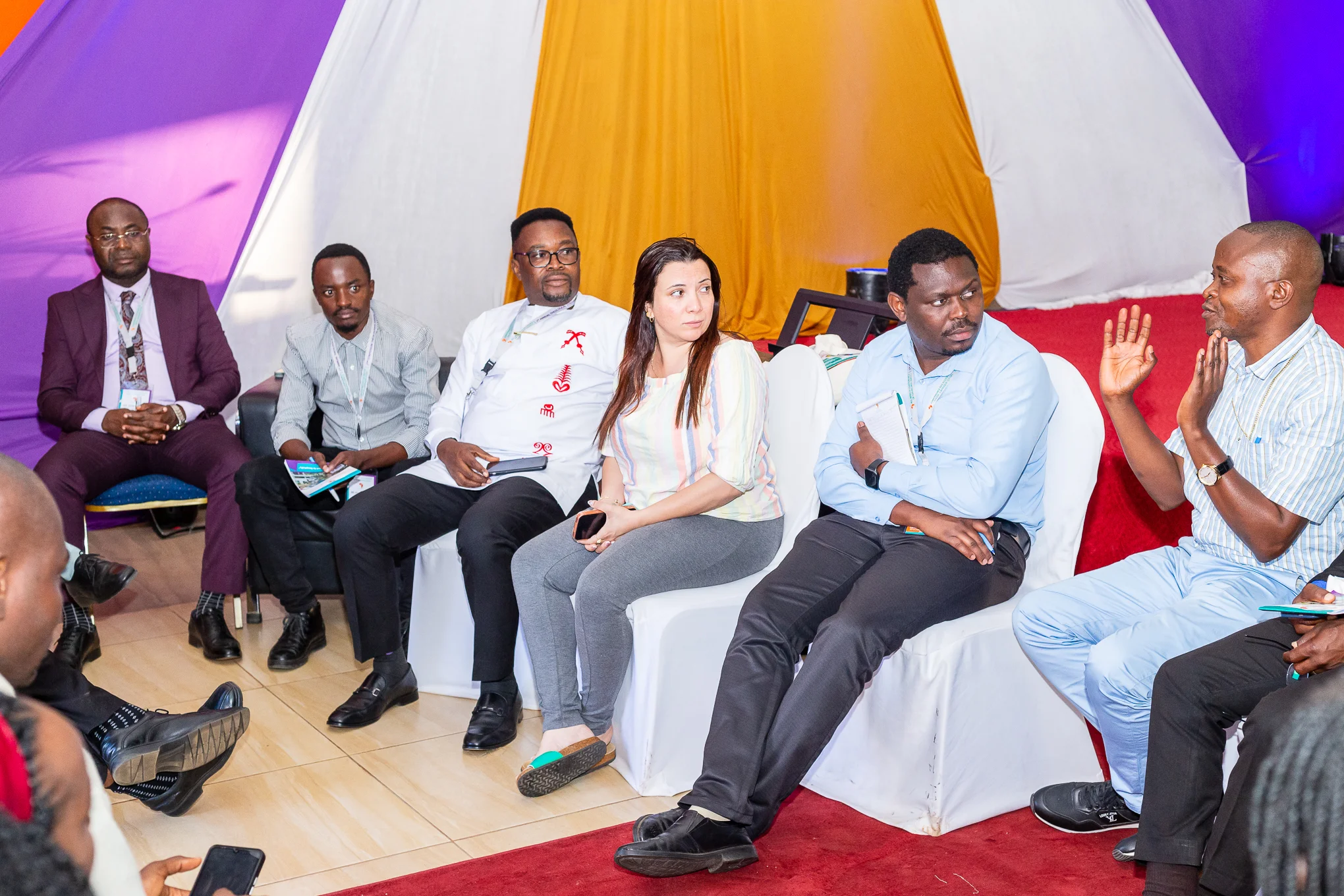
In the photo: Some of the participants during small group discussions [Courtesy: Fr. Dr. John Njoroge]