AACC Convenes Egyptian Youth Leaders to Reflect on Eco stewardship, Ecumenism and the Africa We Want
As part of the International Youth Day and Week celebrations, the All Africa Conference of Churches (AACC) convened a two-day Youth Roundtable on Eco stewardship, Ecumenism and Pan-Africanism in pursuit of the Africa We Want in Cairo, Egypt. The gathering took place on 13th and 14th August 2026 under the International Youth Day 2026 theme, “Different Contexts, Common Aspirations: Christian Youth Shaping the Africa We Want.” It provided a platform for young Christian leaders to examine the realities confronting young people and communities in Egypt and across Africa, while reflecting on the contribution of Christian youth leadership towards a more just, peaceful and sustainable continent.
Facilitated by the AACC Executive Secretary for Youth, Brian Muyunga, the discussions considered the aspirations of young Africans as expressed in Agenda 2063: The Africa We Want. Participants examined how these aspirations relate to the realities young people face today and reflected on the responsibility of the Church to accompany and empower youth as active participants in Africa’s transformation.
The conversations highlighted that, although young people live in diverse contexts, they share many common aspirations, including dignity, meaningful participation, sustainable livelihoods, peace, justice and a healthy environment. Through small-group contextual Bible studies, participants engaged questions of ecological and economic justice from a Christian perspective. The Bible studies provided an accessible way for participants to connect Scripture with contemporary realities, reflecting on humanity’s responsibility towards creation and the implications of Christian discipleship in the face of environmental degradation.
Participants also reflected on environmental challenges within their own Egyptian context and considered how young people can move from awareness to meaningful action. The discussions explored the importance of youth leadership, community engagement, faith-based action and collective responsibility in responding to ecological challenges.
Throughout the two-day gathering, participants examined the role of the Church in accompanying young people and strengthening their capacity to respond to the challenges facing their communities.
The discussions affirmed the importance of creating spaces where young people can bring their experiences, questions, creativity and leadership into the life and mission of the Church.
For Ms. Marit Maher, one of the participants, the gathering provided an opportunity to encounter new ideas and perspectives.
“This was my first time to participate in such a forum and even learn about ecumenism and the Africa We Want. It has been very transformative, and I am going to share the knowledge and resources gained here with many youth in my church.” She noted during the closing session.
Ecumenical engagement was recognized as an important avenue for building solidarity and strengthening collective Christian action on issues affecting Africa and the world at large.
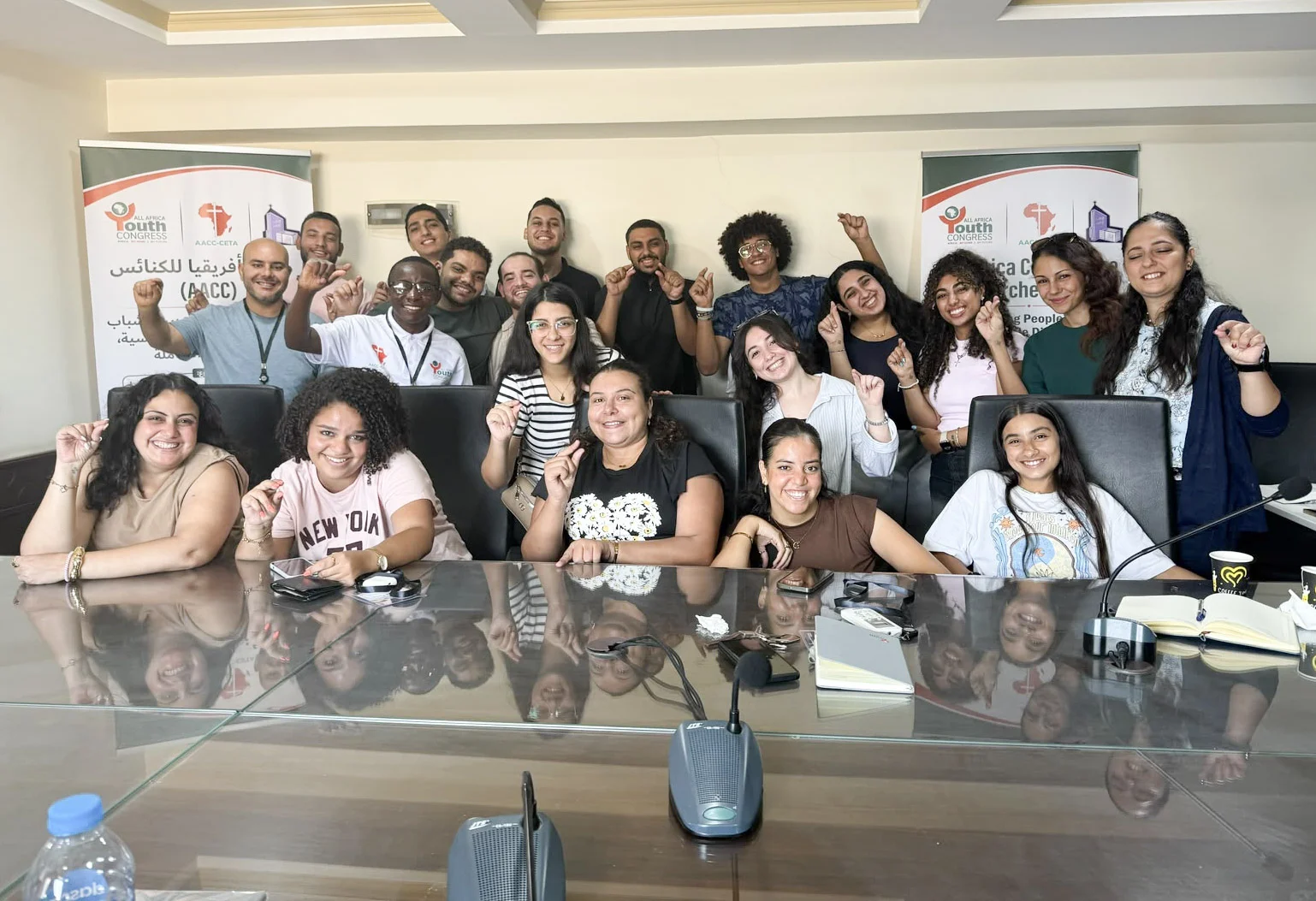
In the Photo: Group photo of the participants [Courtesy - Brian Muyunga]