AACC 7th Annual Theological Symposium: Day Two Examines Freedom of Belief Amid Africa’s Geopolitical Complexities
The second day of the 7th Annual Theological Symposium on Freedom of Belief and Persecution in Africa, convened by the All Africa Conference of Churches (AACC) held on 6th October 2026 focused on the complex political, social and religious factors shaping Freedom of Religion or Belief (FoRB) across the continent. The days deliberations kicked off with a keynote address was delivered by Mr. Illia Djadi from the Arise Africa campaign.
Djadi highlighted the paradox between constitutional guarantees of freedom of belief and the continued persecution experienced by religious communities across the continent. He pointed to discrimination, oppression, marginalization, destruction of churches, abductions of believers and loss of lives as among the persistent challenges confronting religious communities.
“The liberty of belief is guaranteed in the constitutions of many African countries, excluding a few countries in North Africa and Somalia,” He noted.
He further observed that tensions between Christianity and Islam can be intensified by competing claims of religious truth, creating conditions that may contribute to conflict and persecution. His presentation called for deeper reflection on the political, social and religious factors shaping freedom of religion or belief across Africa.
In response to the keynote address, Ms. Loid Taye examined the impact of violence and displacement on different gender groups, noting that religious persecution does not affect women, men, boys and girls in the same way. She noted that men and boys are often targeted in shootings and killings, while women are frequently forced to flee their homes. She further highlighted the lasting trauma experienced by women who lose loved ones, alongside increased poverty, economic inequalities and exposure to sexual slavery. The discussion underscored the need to look beyond constitutional guarantees and consider the lived realities of communities affected by religious persecution, violence and displacement.
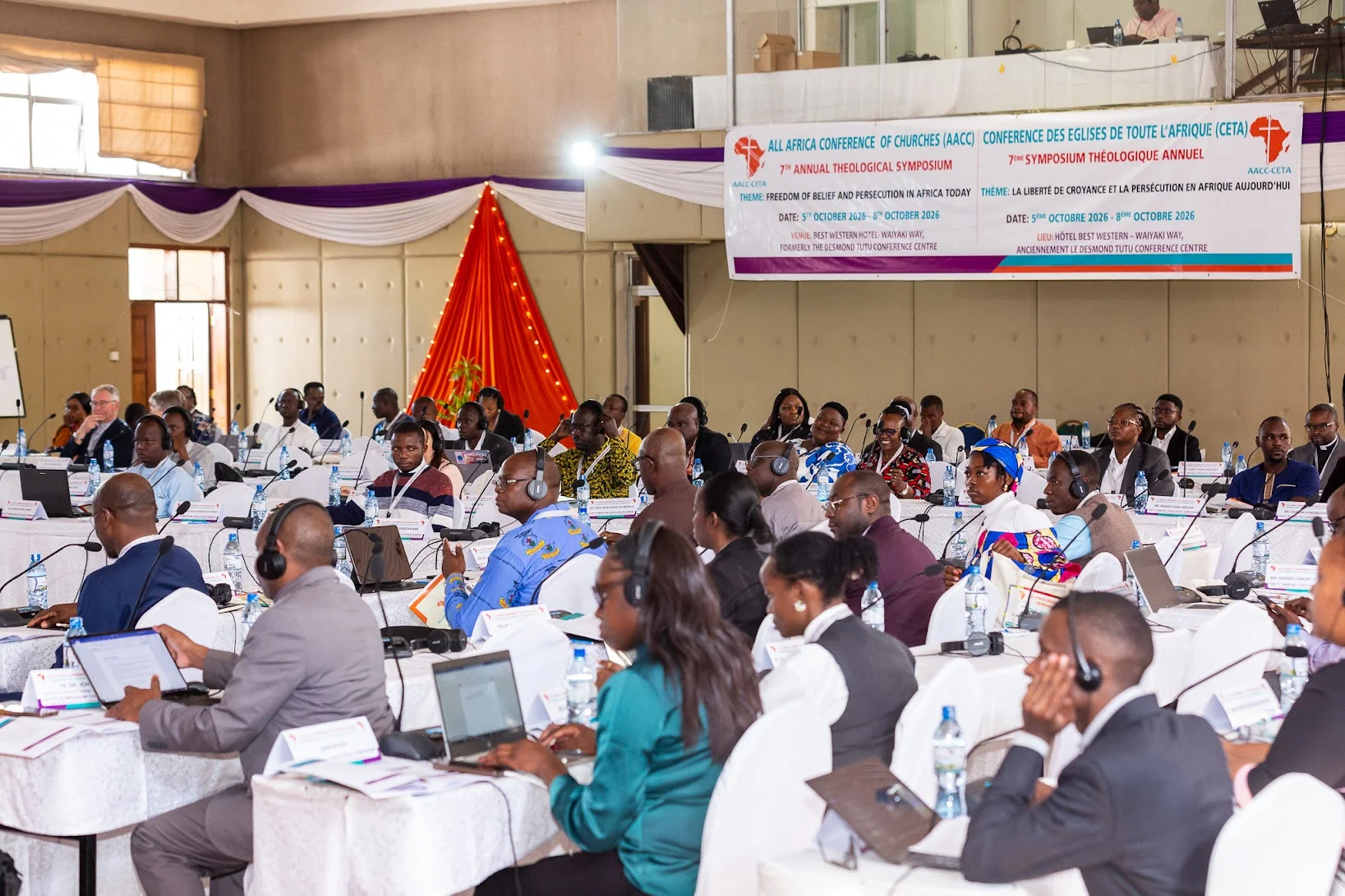
In the photo: Participants during the first session of the second day [Fr. Dr. John Njoroge]